Treść przeznaczona dla osób powyżej 18 roku życia...
Wszystko
Najnowsze
Archiwum

Matanjah
via Android
GhostxT
via Android@Matanjah Nadal działa, choć bardzo rzadko już tam wchodzę.
Portal Eioba.pl został wykupiony
za artykuł dnia stawka 100 zł, artykuł tygodnia - 300 zł, a za artykuł miesiąca - 800 zł
z- 4
- #
- #
- #
- #
- #
- #

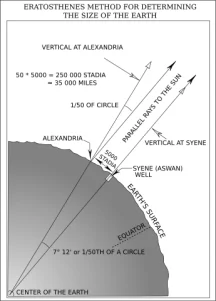
Kolejny artykuł na eioba.pl "Jak ważono planety" o prekursorach współczesnych geografów i astronomów.
#astronomia #ciekawostki #dragonspamuje #eioba #kosmos
#astronomia #ciekawostki #dragonspamuje #eioba #kosmos
źródło: comment_VtzvoDKT6GJAajczcC081YNCdcVWNPPC.jpg
Pobierz
@dragon240994: Ale miniaturki to Ty wrzucaj dla ludzi, a nie mrówek.
źródło: comment_ZpJfx4omf1YhYQFotgFxSU7NHPMmstaT.jpg
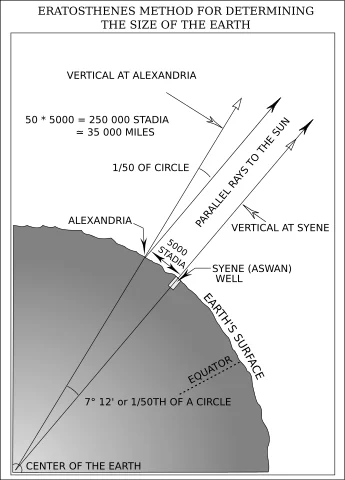
Pobierz@tymmej: oryginalny tekst z wiki:
Eratosthenes calculated the circumference of the Earth without leaving Egypt. Eratosthenes knew that at local noon on the summer solstice in the Ancient Egyptian city of Swenet (known in ancient Greek as Syene, and now as Aswan) on the Tropic of Cancer, the Sun would appear at the zenith, directly overhead. He knew this because he had been told that the shadow of someone looking
Tak powstają niektóre artykuły, które czytasz w necie
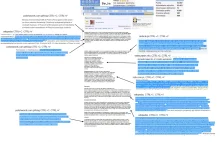
Problem dotyczy nie tylko dziennikarstwa społecznościowego. Również pracownicy (bo nie nazwę ich redaktorami) poważnych serwisów z newsami działają w taki sam, albo podobny sposób...
z- 116
- #
- #
- #
- #
- #
- #
- #
- #
Kilka porad dla bezrobotnych absolwentów
Twojego pracodawcę zupełnie nie interesuje ile masz kwitów poświadczających wyższe wykształcenie, tylko to ile będziesz potrafił zarobić pieniędzy dla firmy, która Cię zatrudni.
z- 32
- #
- #
- #
- #
- #
- #
- #
- #
O inteligentnych inaczej
Przepraszam, czy to koniec kolejki? - Nie, to początek, tylko wszyscy tyłem stoimy.
z- 1
- #
- #
- #
Naj...cz 2
- 1
- #
- #
- #
- #
Czy my ze sobą naprawdę rozmawiamy?
O tej szczerej, prawdziwej rozmowie słów kilka.
z- 0
- #
- #
- #
- #
- #
- #
- #
- #
- #
G---o TV
- 0
- #
- #
- #
Jak Eioba traktuje autorów?
Eioba mieni się serwisem poważnym, z wartościową treścią. W praktyce masa tam kopii z innych stron, masa treści bez interpunkcji i z błędami. No i zapomnij o linku bez nofollow, to wg Eioba za duża zapłata za trud...
z- 0
- #
- #
- #
Foch jako efektywna metoda zarządzania mężczyzną
Mała charakterystyka tego zjawiska:) Dla mężczyzny dokształcenie z szczyptą humoru, a dla kobiet odrobina dystansu wobec samych siebie:)
z- 13
- #
- #
- #
- #
- #
- #
Kraj Kwitnących Absurdów
Patrząc na Polske bez emocji i uprzedzeń dochodzę do wniosku, że nasz kraj jest pietrzącą sie piramidą absurdu i trudnej do wytłumaczenia głupoty
z- 0
- #
- #
- #
- #
- #
Urodzić się jako oryginał
- 1
- #
- #
- #
- #
Mleko - białe kłamstwa
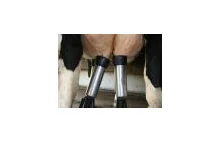
Nawet 100 milionów ciałek ropnych w każdej szklance... to wystarczający powód, by odstawić mleko. Dla zdrowia.
z- 111
- #
- #
- #
- #
- #
- #
- #
- #
- #
- #
Alchemia miłości
Dlaczego kobieta, wchodząc do pustego kina, wybiera krzesło, na którym niedawno siedział mężczyzna? Dlaczego mężczyzna, patrząc na rząd, równie atrakcyjnych, podobnych do siebie kobiet, czuje pociąg do jednej, a obojętność do innej? Odpowiedź tkwi w feromonach. Sztuka w trzech aktach.
z- 0
- #
- #
- #
- #
- #
- #
- #


Kto ma konto na #eioba?
Jak pokonać bezsenność?
- 2
- #
- #
- #
- #
- #
- #
- #
- #
Ironia Ironii - abominalne piękno.
"Wszystko jest niewyraźne do poziomu którego nie jesteś nawet świadom, dopóki cośtam cośtam cośtam..."
z- 0
- #
- #
- #
- #
- #
Sami zarobią, a zarobić nie dadzą
Serwisy społecznościowe w Naszym kraju mają się dobrze. Dzięki Nam zarabiają duże pieniądze, ale same zarabiać nie dadzą swoim użytkownikom. Wszystkiemu winny jest Nasz naród, w którym panuje przekonanie, że skoro mi jest źle, to innym też musi być źle. Marudzenie, narzekanie i kopanie dołków pod sąsiadem stało się Naszą narodową tradycją.
z- 0
- #
- #
- #
- #
- #
- #
- #
- #
Ogień... Czyli bardzo dużo o nim
Miałeś kiedyś problem z ogniskiem? W dobie zbliżającego się wielkimi krokami sezonu ogniskowego bardzo przydatny tekst zawierający chyba wszystko co trzeba wiedzieć na temat ogniska w terenie.
z- 2
- #
- #
- #
- #
- #
- #
- #
- #
- #
- #
- #