Też czasem macie losowe myśli w językach innych niż polski? #jezykiobce #jezyki #mysli
Wszystko
Najnowsze
Archiwum

konto usunięte

RRybak
@geomag42: po przepiciu nader często

majlo1985
via Android@geomag42: po angielsku notorycznie. Czasami lepiej mi się wysłowić w tym języku niż po polsku.

Treść przeznaczona dla osób powyżej 18 roku życia...


Mocne wsparcie dla hipotezy stepowej

Dwa długo oczekiwane badania wzmacniają tezę o stepowym pochodzeniu języka praindoeuropejskiego. Jedno z badań już zostało opublikowane, drugie trafi do publikacji jeszcze w bieżącym miesiącu. Oba wykorzystują różne metody i wspierają jedną z dominujących hipotez dotyczących pochodzenia...
z- 0
- #
- #
- #
- #
- #
Polacy w czołówce pracowników najlepiej posługujących się językiem angielskim

Polska zajęła 7. miejsce w rankingu Education First EPIc, sprawdzającym znajomość języka angielskiego w firmach. Polaków wyprzedzili tylko mieszkańcy krajów skandynawskich, Holandii i Belgii.
z- 0
- #
- #
- #
- #
- #
Mircy, chcę lepiej ogarnąć j.niemiecki (obecnie określam się na jakieś B1-średnio zaawansowany). Jak sugerują wszelkie psychotesty, jestem słuchowcem i to się zgadza.
O ile w rozwijaniu znajomości j.angielskiego nie ma absolutnego problemu z dostępnością np. świetnych seriali, filmów, lubię też posłuchać w tle podcastów z ESL Pod, to przy j.niemieckim jest trochę inaczej. Nie wiem, może mam tylko takie wrażenie.
Potrzebuję propozycji takich materiałów. Liczę na Waszą pomoc ( ͡° ͜
O ile w rozwijaniu znajomości j.angielskiego nie ma absolutnego problemu z dostępnością np. świetnych seriali, filmów, lubię też posłuchać w tle podcastów z ESL Pod, to przy j.niemieckim jest trochę inaczej. Nie wiem, może mam tylko takie wrażenie.
Potrzebuję propozycji takich materiałów. Liczę na Waszą pomoc ( ͡° ͜
@konstruktywny_krytyk: deutsche welle?
@konstruktywny_krytyk: Może tutaj coś znajdziesz http://www.wykop.pl/tag/index/poradnikniemieckiego/archiwum/2014-08/

Treść przeznaczona dla osób powyżej 18 roku życia...
@Papeteria: Zdecydowanie niemiecki jest łatwiejszy, bo granice między wyrazami są ostre/wyraźne, w przeciwieństwie do francuskiego, w którym jest ciąg wyrazowy ze względu na dużą liczbę samogłosek w stosunku do spółgłosek, elizję i skracanie słówek i do tego multum homonimów lub słów podobnie brzmiących.
Przeczytaj sobie zdanie "On en a eu assez", a teraz przeczytaj "Wir hatten genug davon".
Które zdanie lepiej ci się czyta? Które jest
Przeczytaj sobie zdanie "On en a eu assez", a teraz przeczytaj "Wir hatten genug davon".
Które zdanie lepiej ci się czyta? Które jest
@Papeteria: Jestem nieco zszokowany niektórymi wypowiedziami, jakoby niemiecki był podobny do angielskiego. Według mnie to nieprawda. Angielski znam płynnie, skończyłem anglistykę, a obecnie uczę się hiszpańskiego i francuskiego właśnie. Niemieckiego uczyłem się przez cały okres edukacji i do niedawna też samemu, więc porównanie mam. Z chęcią bym usłyszał od tych osób, z której strony angielski jest podobny do niemieckiego, skoro prawie połowa jego słownictwa pochodzi z... francuskiego. Widać to zresztą

http://www.reddit.com/r/judgemyaccent
Nowy subreddit na który można dodać nagranie swojej wypowiedzi w dowolnym języku a jego native speakerzy ocenią nas w skali od 1-10 oraz powiedzą co powinniśmy poprawić i nad czym popracować.
Do nagrania można użyć np. vocaroo.com
#naukajezykow #jezykiobce #jezyki #angielski
Nowy subreddit na który można dodać nagranie swojej wypowiedzi w dowolnym języku a jego native speakerzy ocenią nas w skali od 1-10 oraz powiedzą co powinniśmy poprawić i nad czym popracować.
Do nagrania można użyć np. vocaroo.com
#naukajezykow #jezykiobce #jezyki #angielski
konto usunięte via iOS
Taktyk
@platkiowsiane: Niezły pomysł. Trzeba się będzie sprawdzić z hiszpańskiego. ;)
Treść przeznaczona dla osób powyżej 18 roku życia...

@SquashPL: wołam @platkiowsiane bo to ekspert ;)
@SquashPL: Czego nie zacząłeś od przeglądnięcia tagu #norweski?
Mój komentarz, który wklejam z 5 raz z tutorialami:
"Tutaj napisałem komentarz odnośnie nauki norweskiego dla początkujących raczej, pobieżny po polsku - http://www.wykop.pl/wpis/9870518/#comment-27698340
A tutaj tutorial z reddita, dokładniejszy i skupia się trochę bardziej na zaawansowanych osobach, po angielsku - http://www.reddit.com/r/norsk/comments/2r0smz/my_learning_method_how_did_i_learn_norwegian/"
Mój komentarz, który wklejam z 5 raz z tutorialami:
"Tutaj napisałem komentarz odnośnie nauki norweskiego dla początkujących raczej, pobieżny po polsku - http://www.wykop.pl/wpis/9870518/#comment-27698340
A tutaj tutorial z reddita, dokładniejszy i skupia się trochę bardziej na zaawansowanych osobach, po angielsku - http://www.reddit.com/r/norsk/comments/2r0smz/my_learning_method_how_did_i_learn_norwegian/"

w tym roku moją walentynką jest fiński. dobrze jest ᶘᵒᴥᵒᶅ
pic rel.
#jezyki #finski #walentynki2015 #milosc
pic rel.
#jezyki #finski #walentynki2015 #milosc
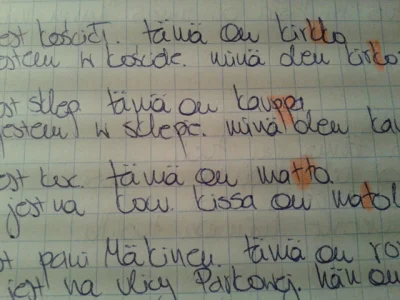
źródło: comment_FyJTFVCVlBV7lb47ztoWlp8R3G7LsoD7.jpg
Pobierz
@kotkot: też uczyłem się fińskiego, ale ostatnio spadła mi motywacja :( Ale to fajny język i szkoda całkiem odpuścić naukę ( ͡° ʖ̯ ͡°)


Naukowcy odkryli zdolność szympansa do uczenia się języka obcego

Naukowcy odkryli zdolność szympansa do uczenia się języka obcego pirita, pon., 2015-02-09 21:23 Pierwszy udokumentowany przypadek nauczenia się wyrażeń w obcym języku przez małpy poddało pod wątpliwość wyjątkowość umiejętności językowych człowieka. O badaniu pisze czasopismo Current Biology.
z- 0
- #
- #
- #
- #
- #
- #





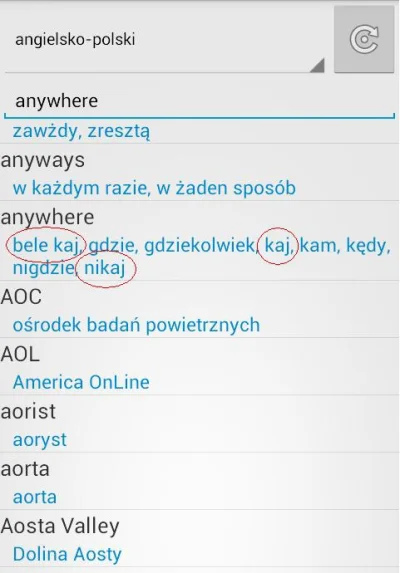
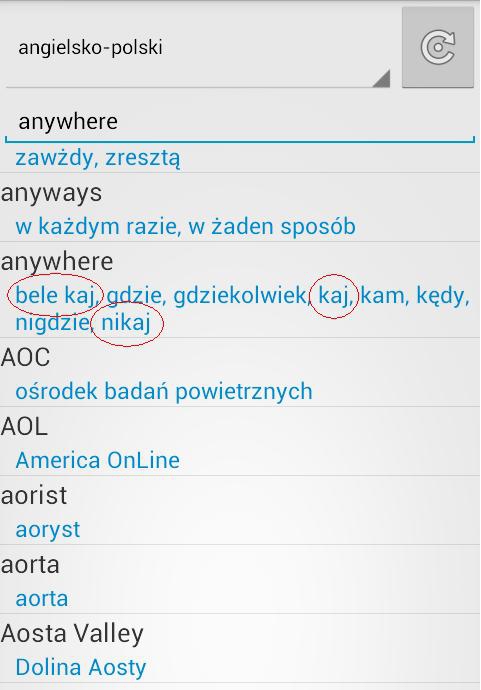
Takie tłumaczenie w słowniku angielsko-polskim (ʘ‿ʘ)
#slask #jezykiobce #jezyki #angielski #jezykpolski #heheszki
#slask #jezykiobce #jezyki #angielski #jezykpolski #heheszki
źródło: comment_vutVEJbX3fCnH4CZADRl14wLBsXpd4Po.jpg
Pobierz
@maddening: xD


#jezyki #angielski #tlumaczenie
Ostatnio rozglądam się za jakąś chmurą, bo niedługo kończy mi się darmowe 50GB na Dropboxie. Wszedłem właśnie na stronę Microsoftu, żeby się rozeznać w ofercie. Patrzę na górne menu, a tam:
Pobierz | Plany | Pomoc techniczna | Firma
No nic, myślę sobie, to jedna z tych stron, która robi pod górkę użytkownikom i zamiast tak ważną rzecz jak oferta dać na samej górze w widocznym
Ostatnio rozglądam się za jakąś chmurą, bo niedługo kończy mi się darmowe 50GB na Dropboxie. Wszedłem właśnie na stronę Microsoftu, żeby się rozeznać w ofercie. Patrzę na górne menu, a tam:
Pobierz | Plany | Pomoc techniczna | Firma
No nic, myślę sobie, to jedna z tych stron, która robi pod górkę użytkownikom i zamiast tak ważną rzecz jak oferta dać na samej górze w widocznym
@majlo1985: Google ma tańsze plany niż Dropbox, no i jest też MEGA i jego darmowe 50GB.
@wysuszony: w tej chwili zastanawiam się pomiędzy Googlem i Microsoftem. Nie ukrywam, że wolałbym zostać przy Dropboxie, bo zawsze funkcjonalnością przebijał tych dwóch gigantów, ale ceny mają dużo wyższe.
A mega nie znam, ale sprawdzę. Aczkolwiek ciekawe, jakie mają wsparcie jeśli chodzi o aplikacje.
A mega nie znam, ale sprawdzę. Aczkolwiek ciekawe, jakie mają wsparcie jeśli chodzi o aplikacje.
@TheBobolo: może poniżej znajdziesz coś przydatnego:
http://how-to-learn-any-language.com/forum/forum_posts.asp?TID=13746&PN=1
http://how-to-learn-any-language.com/forum/forum_posts.asp?TID=32032&PN=1
http://how-to-learn-any-language.com/forum/forum_posts.asp?TID=13746&PN=1
http://how-to-learn-any-language.com/forum/forum_posts.asp?TID=32032&PN=1

@TheBobolo: https://www.sendspace.com/file/sgd16p Wprawdzie wszystko po gruzińsku, ale to dla dzieci, więc będziesz w stanie załapać.
#ciekawostki #jezykiobce #norweski #jezyki #ciekawostkijezykowe
W języku norweskim dwuznaki czytane są jako jeden dźwięk, często nawet w dwóch sąsiednich wyrazach
"rs" czytane jest podobnie jak polskie "sz", czy też retrofleks "rd" czytane są jako jeden dźwięk, także w dwóch różnych wyrazach
np. .... er så... (....jest tak... ) - nie będzie błędem przeczytanie "r" i "s" jako dwa osobne dźwięki, ale większość Norwegów zbije
W języku norweskim dwuznaki czytane są jako jeden dźwięk, często nawet w dwóch sąsiednich wyrazach
"rs" czytane jest podobnie jak polskie "sz", czy też retrofleks "rd" czytane są jako jeden dźwięk, także w dwóch różnych wyrazach
np. .... er så... (....jest tak... ) - nie będzie błędem przeczytanie "r" i "s" jako dwa osobne dźwięki, ale większość Norwegów zbije
@majlo1985: xD ile mozna pisac, napisze ci wprost.
W tym tutorialu napisalem o aplikacji do norweskiego - mozesz jej uzywasz na komputerze, tablecie, telefonie itp. jakbys go otworzyl zamiast pisac tutaj to juz bys dawno znalazl linka nawet bez czytania uwaznego calosci
W tym tutorialu napisalem o aplikacji do norweskiego - mozesz jej uzywasz na komputerze, tablecie, telefonie itp. jakbys go otworzyl zamiast pisac tutaj to juz bys dawno znalazl linka nawet bez czytania uwaznego calosci



Holenderski szympans nauczył się szkockiego. Przeprowadził się do innego zoo ...

... i zmienił mu się akcent. Frek, który mieszkał w ogrodzie zoologicznym w Holandii został przeniesiony do zoo w Szkocji. Według naukowców, którzy obserwowali zwierzę, szympans po trzech latach spędzonych w Edynburgu zaczął wydawać inne dźwięki.
z- 0
- #
- #
- #
- #
- #
- #