Wszystko
Najnowsze
Archiwum


Prąd dla Arktyki popłynie z morza

Pływająca rosyjska elektrownia atomowa Akademik Łomonosow wyruszyła w rejs Północnym Szlakiem Morskim. Elektrownia (...) powinna dostarczać energię do pobliskich miejscowości (...) ale także do zakładów przemysłowych oraz platform gazowych i naftowych znajdujących się otwartym morzu
z- 3
- #
- #
- #
- #
- #
- #

Dla porównania mapy z 2012 z 8. lipca (miesiąc przed końcem topnienia) i 2019, który zapowiada się nieciekawie:
https://forum.arctic-sea-ice.net/index.php?action=dlattach;topic=2591.0;attach=125456;image
#arktyka #klimat #globalneocieplenie #gruparatowaniapoziomu

źródło: comment_8ayVAmKSDguGL02XpkeGBuUcoNwDIsvx.jpg
Pobierz
źródło: comment_RpuLNMz8M3ECY64DY9B2lmJonpkbhPHL.jpg
Pobierz
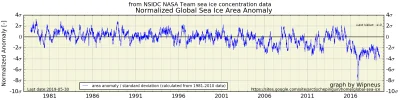
źródło: comment_g42LI7whTSrYWE2F2LIMSdUNAUvNsxYp.jpg
Pobierz#pogoda #klimat #globalneocieplenie #arktyka #antarktyka #gruparatowaniapoziomu i co najgorsze wcale nie heheszki

źródło: comment_t26LSBTGVMEG851FTapnWqkSiJaRgxZk.jpg
Pobierz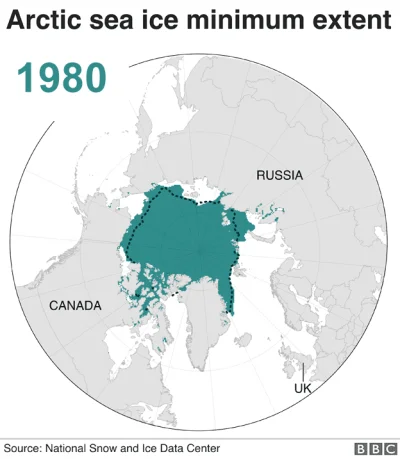
Jak wyglądają psie zaprzęgi na Spitsbergenie?
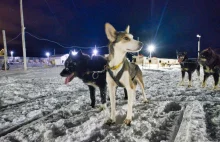
Będąc na Spitsbergenie miałem okazję skorzystać z psich zaprzęgów. Przyznam, że jest to niesamowita frajda.
z- 4
- #
- #
- #
- #
- #
- #


źródło: comment_WS57xh6IlaCeOyHHpR2y5SIH74MAc66U.jpg
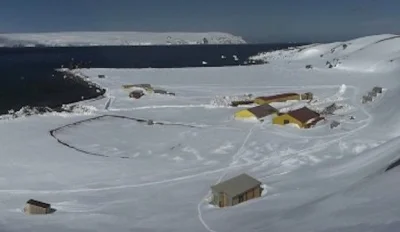
PobierzKulisy sceny śmierci morsów która podzieliła widownie "Our Planet" od Netflixa.

Ekipa zajmująca się produkcją dokumentu ukazała materiał zza kulis ukazujący grupę morsów które stawiają czoła drastycznie zmieniającemu się klimatowi w obrębie koła podbiegunowego. Scena która chwyta za serce ukazuje jak znaczącą siłę ma efekt cieplarniany i jego wpływ na żyjącą tam florę i faunę.
z- 19
- #
- #
- #
- #
- #
- #

źródło: comment_YlnviAWvYz09rKl6Bt3XMLWkeHUDy72d.jpg
Pobierz#film #fotografia #gory #arktyka #krotkimetraz
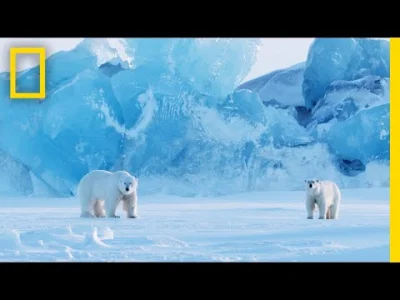

„Nasze domy się rozpadają, atakują nas chmary insektów”. To koniec...
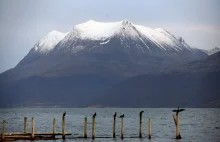
Nie wierzycie w globalne ocieplenie? Pojedźcie do Arktyki! Tam zmiany klimatu dokonują się dwukrotnie szybciej niż gdziekolwiek na świecie. Już uderzają w przyrodę i ludzi.
z- 10
- #
- #
- #
- #
- #
W pogoni za białym królikiem – wielkość ciała lądowych niesporczaków

Klasyczna reguła wyjaśniająca zmienność wielkości ciała zwierząt związaną z szerokością geogr. i odpowiadającą jej temperaturą została sformułowana w XIX w. przez niem. przyrodnika i nazwana na jego cześć, regułą Bergmanna. Faktycznie działa na ponad 60% przebadanych gat. zwierząt stałocieplnych...
z- 1
- #
- #
- #
- #
- #
- #
źródło
#nauka #geografia #arktyka #grenlandia #klimat #graphsandmaps
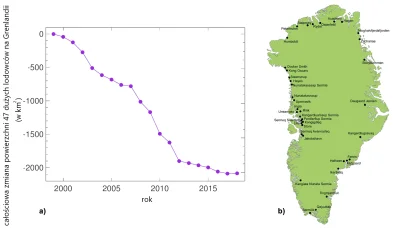
źródło: comment_oPKyb2jNryuch0gGuZk0kOpXX1zFhD3x.jpg
Pobierz


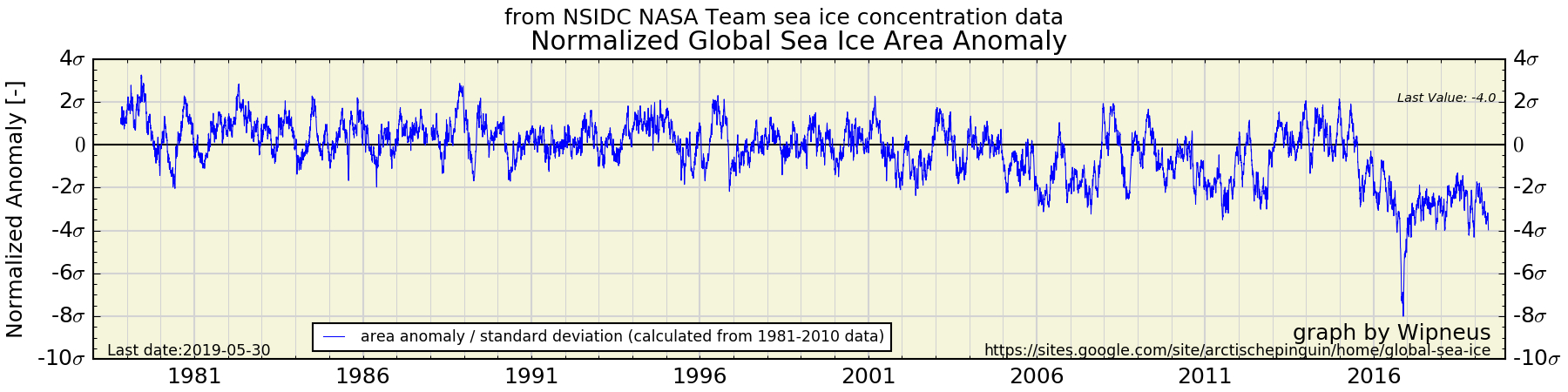


Nie są, były. Zmiany odpowiadające cyklom Milankovica osiagnęły swoje maksimum w czasie HTM (Holocene thermal maksimum) ponad 5 tysięcy lat temu. Związane to było z maksimum insolacji w porze letniej w wyższych szerokościach geograficznych półkuli północnej. Od tamtego czasu insolacja ta spadała i właśnie jesteśmy w jej minimum. Temperatura podążała posłusznie za tym trendem, aż do końca XIX w., aż nagle przestała i w ciągu kolejnych nieco ponad
A co ma z tego wynikać poza tym, że za obecnie obserwowane zmiany nie można obarczyć zmian orbitalnych związanych z cyklami Milankovica?
Nadchodzi walka o Arktykę. USA planuje pokaz siły wobec Chin
Amerykański sekretarz marynarki wojennej, Richard Spencer z początkiem 2019 roku poinformował o planach USA na zwiększenie obecności okrętów wojennych w Arktyce. Waszyngton chce podjąć ten krok, by przeciwstawić się planom arktycznej ekspansji, które od niedawna komunikuje Pekin.
z- 0
- #
- #
- #
- #
- #
- #
Nowa Ekonomia ARKTYKI [ENG]
![Nowa Ekonomia ARKTYKI [ENG]](https://wykop.pl/cdn/c3397993/link_lrjiKwcyhGx5qXSMhwYXs7RdhtJkjb58,w220h142.jpg)
O konkretnych zmianach politycznych, ekonomicznych i technologicznych jakie wymusza ocieplająca się Arktyka.
z- 0
- #
- #
- #
- #
- #
- #
Globalne ocieplenie, topniejące lodowce i podlodowe wulkany - wywiad z...
3 grudnia 2018 roku w Katowicach rozpocznie się Konferencja Narodów Zjednoczonych w sprawie zmian klimatu COP-24 , która potrwa do 14 wrześn...
z- 0
- #
- #
- #
- #
- #
- #
Dokument o Polakach plynacych przez Przejście Północno-Zachodnie EN
Dziwnym trafem nigdy wczesniej o tym nie slyszalem ale mysle ze calkiem fajny dokument. Six people on-board a small yacht sailing across the Arctic. Three months in the wilderness, away from the cares of daily life. Encounters with people and ruthless nature.
z- 1
- #
- #
- #
- #
- #
- #
źródło
źródło: comment_uJBet35VMN2uKU7rb2FQv3RX0PRH5aBR.jpg
Pobierz