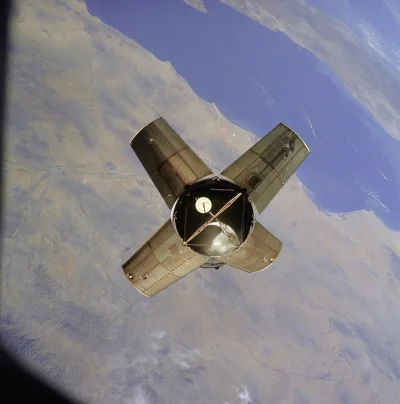
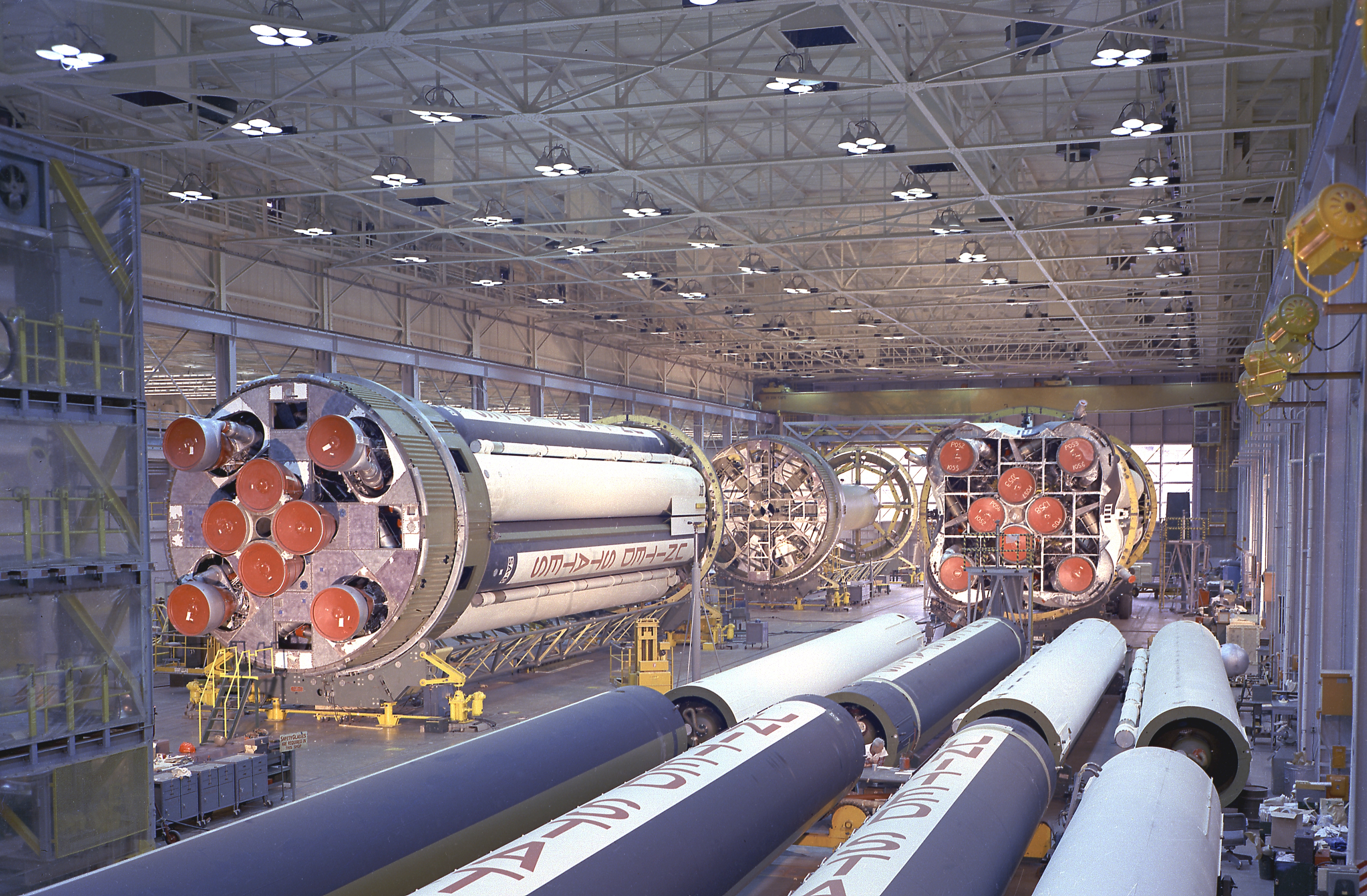
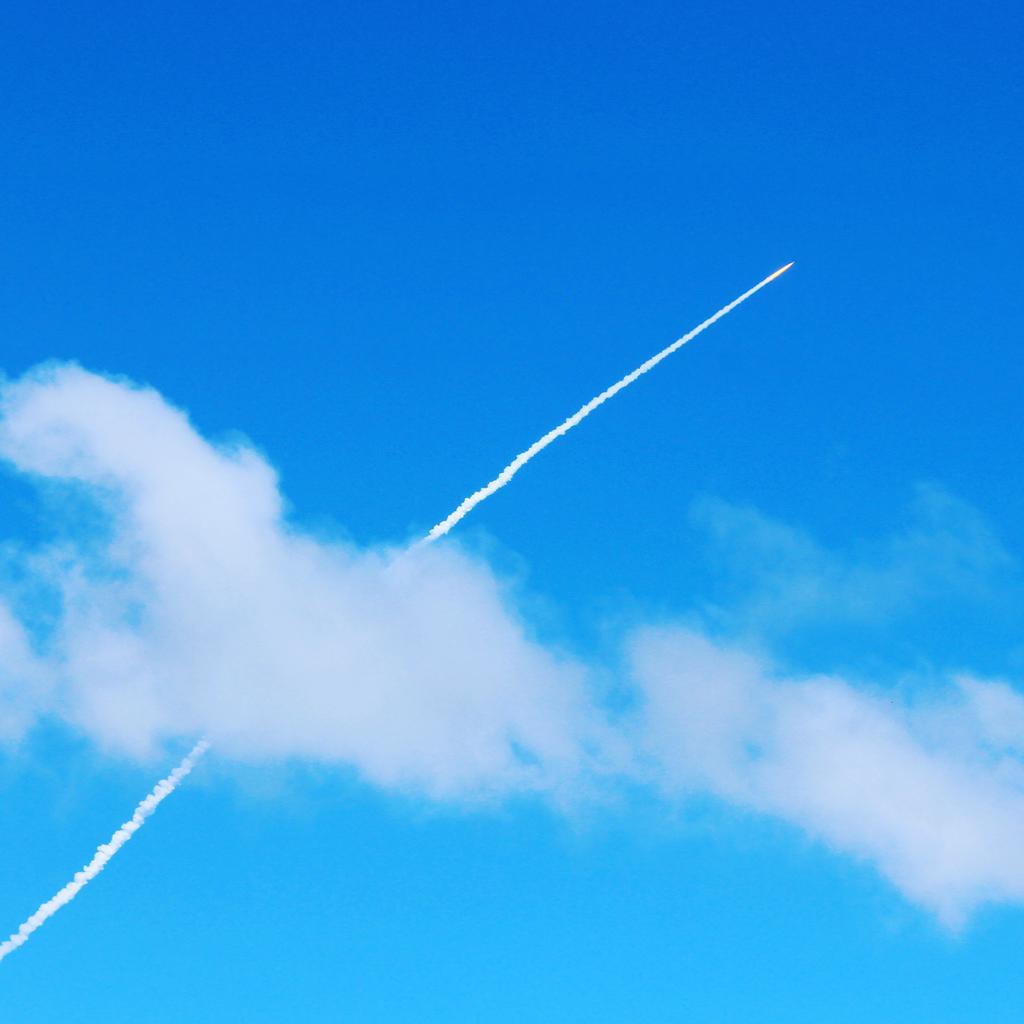
11 listopada 1968.
#kosmos #rakiety #saturn IVB #apollo 7 #kosmicznearchdragona #archiwanasa
Wszystko
Najnowsze
Archiwum
źródło: comment_TZ7qLyGn3Y4AthsKiv2X0DvcQHnUXLB9.jpg
PobierzLaunch site: SLC-41, Cape Canaveral Air Force Station, Florida
A United Launch Alliance Atlas 5 rocket, designated AV-069, will launch GOES-R, the first next-generation geostationary weather satellite for NASA and NOAA. GOES-R will orbit 22,300 miles above the equator to monitor weather conditions across the United States. The rocket will fly in the 541 vehicle
źródło: comment_acpI3dIIyau0rtIYJrYRmoZkrEr54g9d.jpg
PobierzEdycja 3 – pieprzona łódka w obszarze zabronionym.
Komentarz usunięty przez moderatora
5

Teraz 18-latek buduje już rakiety sondażowe służące do badań zjawisk panujących w niskich oraz wysokich partiach atmosfery. Młody naukowiec chwali się, że stworzył jedyną taką w województwie lubelskim rakietę zdolną przekroczyć barierę dźwięku.
zLaunch site: Baikonur Cosmodrome, Kazakhstan
A Russian government Soyuz rocket will launch the crewed Soyuz spacecraft to the International Space Station with members of the next Expedition crew. The capsule will remain at the station for about six months, providing an escape pod for the residents. Moved forward from Nov. 16.
źródło: comment_u6Vi7nv5BwopTz7cpx1DUfS56I4XZ3Sq.jpg
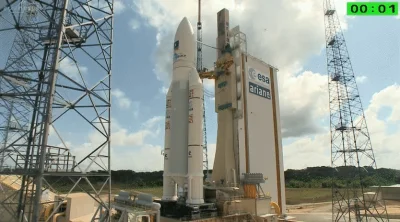
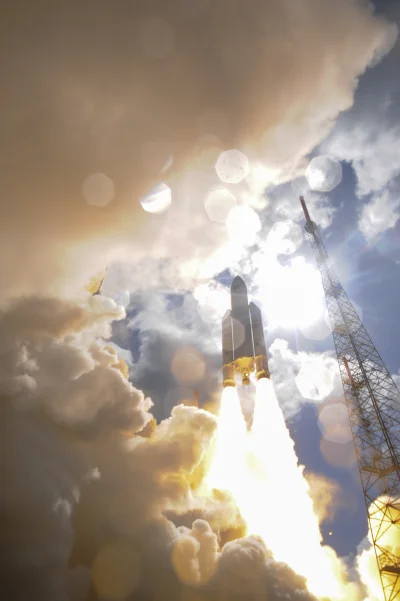
PobierzLaunch site: ELA-3, Kourou, French Guiana
Arianespace will use an Ariane 5 ES rocket, designed VA233, to launch four Galileo full operational capability satellites for Europe’s Galileo navigation constellation.
źródło: comment_Smdy4YvFt2StU0uc1YdSMeZP83ufNCha.jpg
Pobierz
źródło: comment_66rNzs4vhNUpwo8UL8sB53WXE73k6X7W.jpg
Pobierz1
Two flagship European space programmes will combine on 17 November, as four Galileo navigation satellites are carried into orbit by an Ariane 5 rocket for the first time.
z
Launch site: Jiuquan, China
A Chinese Long March 2D rocket will launch the Yunhai 1 satellite.
źródło: comment_Wfs4BnSkrP5w0ATpcYzHJAfo8ti5ZJk0.jpg
PobierzLaunch site: SLC-3E, Vandenberg Air Force Base, California
A United Launch Alliance Atlas 5 rocket, designated AV-062, will launch the WorldView 4 Earth observation satellite for DigitalGlobe. The rocket will fly in the 401 vehicle configuration with a four-meter fairing, no solid rocket boosters and a single-engine Centaur upper stage. Delayed from June 29 and Sept.
źródło: comment_jRfcsoXELZbyp7vZJypAKyJZNw6qyYb1.jpg
PobierzPrzed chwilą wystartował Atlas V z satelitą Digital Globe WorldView-4 – czwartym z serii WorldView i drugim który potrafi robić zdjęcia z rozdzielczością 31 cm. Dzięki temu Digital Globe ma obecnie 5 satelitów na orbicie co pozwala zrobić zdjęcie dowolnego miejsca na świecie 4.5 raza dziennie. 30 cm rozdzielczość jest niesamowita, ale warto zauważyć że w latach 60’tych satelita szpiegowski KH-8 miał rozdzielczość 6 cm

źródło: comment_hrszdCFI7PkZ41YKEk76JBRZFO9PxK7p.jpg
Pobierz
źródło: comment_LzfTIi7lTtJ4ZPmeljeJTb6vkuJ2At5r.jpg
PobierzRegulamin
Reklama
Kontakt
O nas
FAQ
Osiągnięcia
Ranking
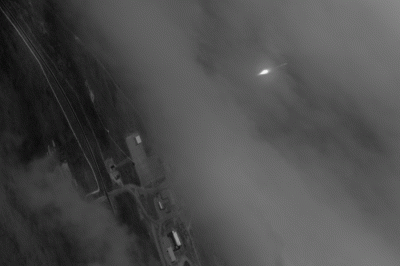
Rzadki przypadek spoglądania na autentyczny start rakiety z góry. Z setek kilometrów. WorldView-1 ma na tyle wysoką rozdzielczość, że rakietę Atlas V 401 widać bardzo wyraźnie.
* Info o starcie z 2014 (EN)
* Podobna rakieta wyniosła WorldView-4 niecałe 2 tygodnie temu.
źródło: comment_KO7wTIScK8Xf6pNf3ku3tKbxZSSSoyr9.gif
Pobierz