Wszystko
Najnowsze
Archiwum
NASA planuje wysłać łódź podwodna na Tytana
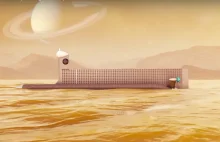
jak w opisie. [eng.]
z- 1
- #
- #
- #
- #
- #
- #
- #
Naukowcy odkryli supertwardy stop tytanu i złota.

Zespół kierowany przez profesor Emilię Morosan z Rice University w Houston, opracowywał coś zupełnie innego – nowe, nietypowe rodzaje magnesów, wykonanych właśnie z tytanu i złota. Proces badawczy na jednym z etapów zakładał sproszkowanie uzyskanego materiału w celu zbadania jego czystości ...
z- 0
- #
- #
- #
- #

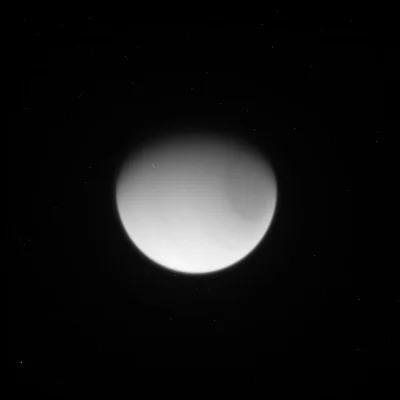
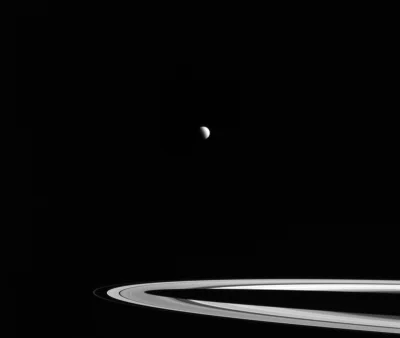



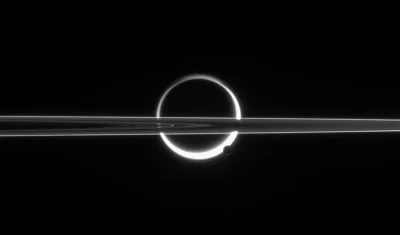
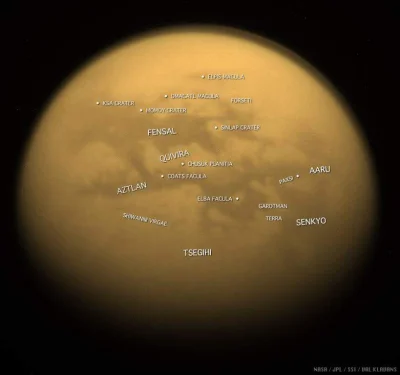
Więcej zdjęć: http://saturn.jpl.nasa.gov/photos/raw/?start=1
#kosmos #saturn #cassini #tytan #dragonspamuje
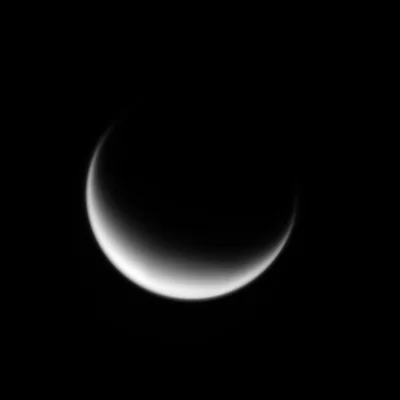
źródło: comment_y2tMtUDVYALjDVg4Y2c7cFCT5rvEA2Oc.jpg
Pobierz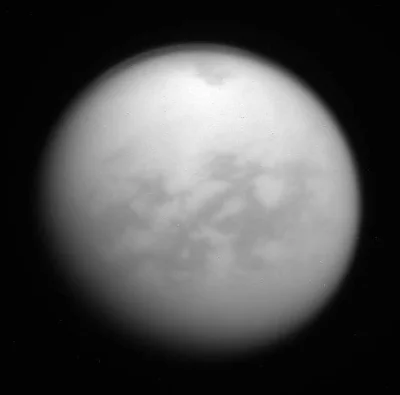
Komentarz usunięty przez autora Wpisu
'Magiczna wyspa' na Tytanie
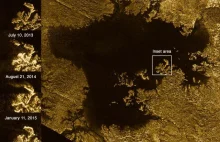
Naukowcy przypuszczają, że struktura widoczna na węglowodorowym morzu nazwanym Ligeia Mare, to wynik oddziaływania fal na lub pod powierzchnią. Nie jest to raczej wynik pływów, zmian poziomu morza czy powierzchni planety.
z- 1
- #
- #
- #
- #
- #
- #


źródło: comment_pbZnbH2uUYekxpHK6jcX0qfvkd6olfdW.jpg
Pobierz
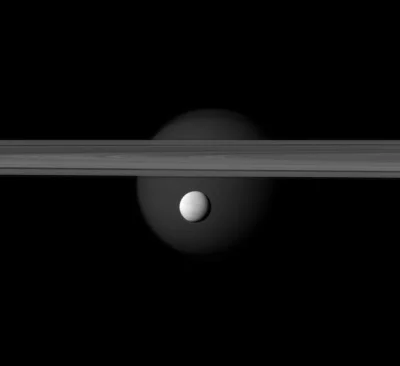
#ciekawostki #astronomia #saturn #cassini #tytan #enceladus
źródło: comment_svPzo5bgKuO93qaJMMYLbfs0GmEVx8jY.jpg
Pobierz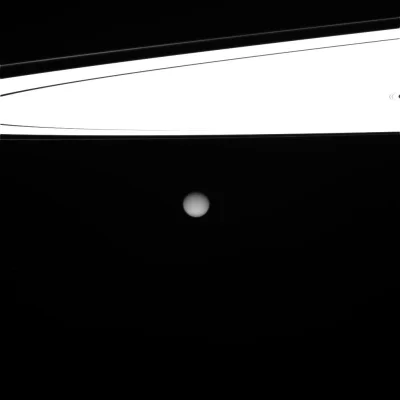
źródło: comment_XC2UuLzd5A88Mnyjmgld9mRrdMf3h79a.jpg
Pobierz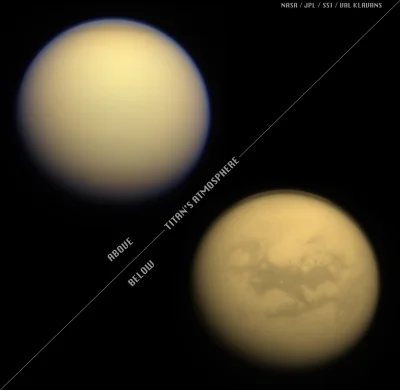






Kraina wydm na Tytanie z bardzo bliska
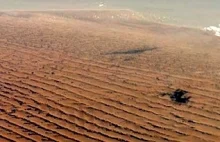
Tytan, czyli największy z księżyców Saturna, jest niewątpliwie jednym z najbardziej ekscytujących obiektów w Układzie Słonecznym. Informacje, jakie dostarczył o jego atmosferze i powierzchni próbnik Huygens oraz sonda Cassini, napawają ogromnym optymizmem, oczywiście jeśli chodzi o...
z- 0
- #
- #
- #
- #
- #
- #
Obróbka tytanu wg. pewnego kanadyjczyka
znajomość angielskiego wymagana.
z- 0
- #
- #
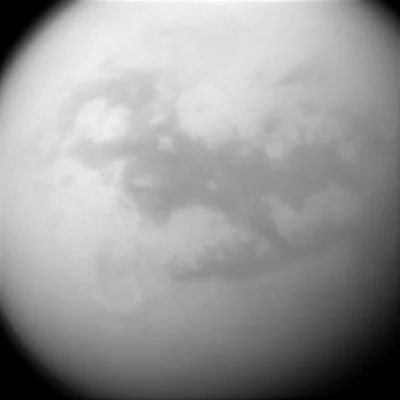
http://saturn.jpl.nasa.gov/photos/imagedetails/index.cfm?imageId=5270
#kosmos
źródło: comment_y9dSbMoUuBFNNEoGdQ3ZDeTXfh8RBaOE.jpg
Pobierz
http://blogs.esa.int/rosetta/2016/07/26/farewell-silent-philae/
#kosmos #esa #rosetta #philae #67p
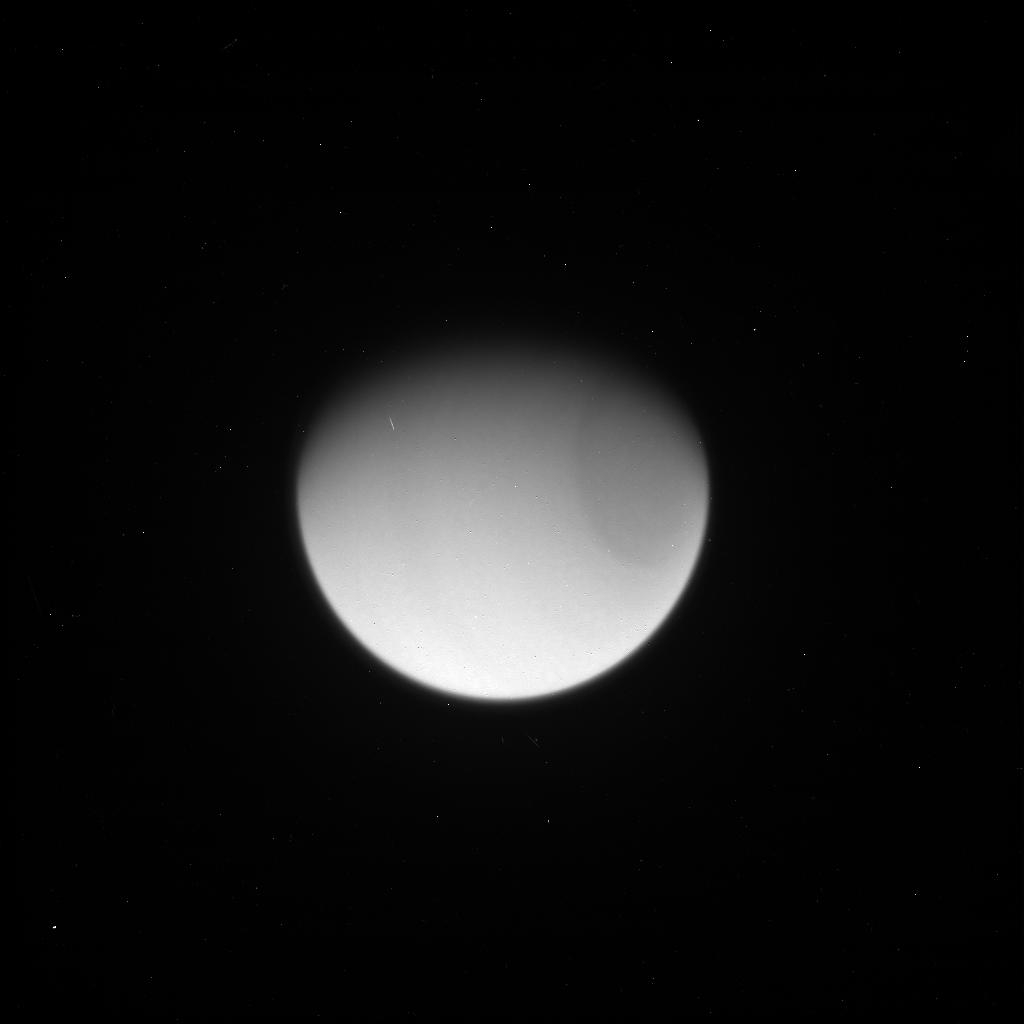
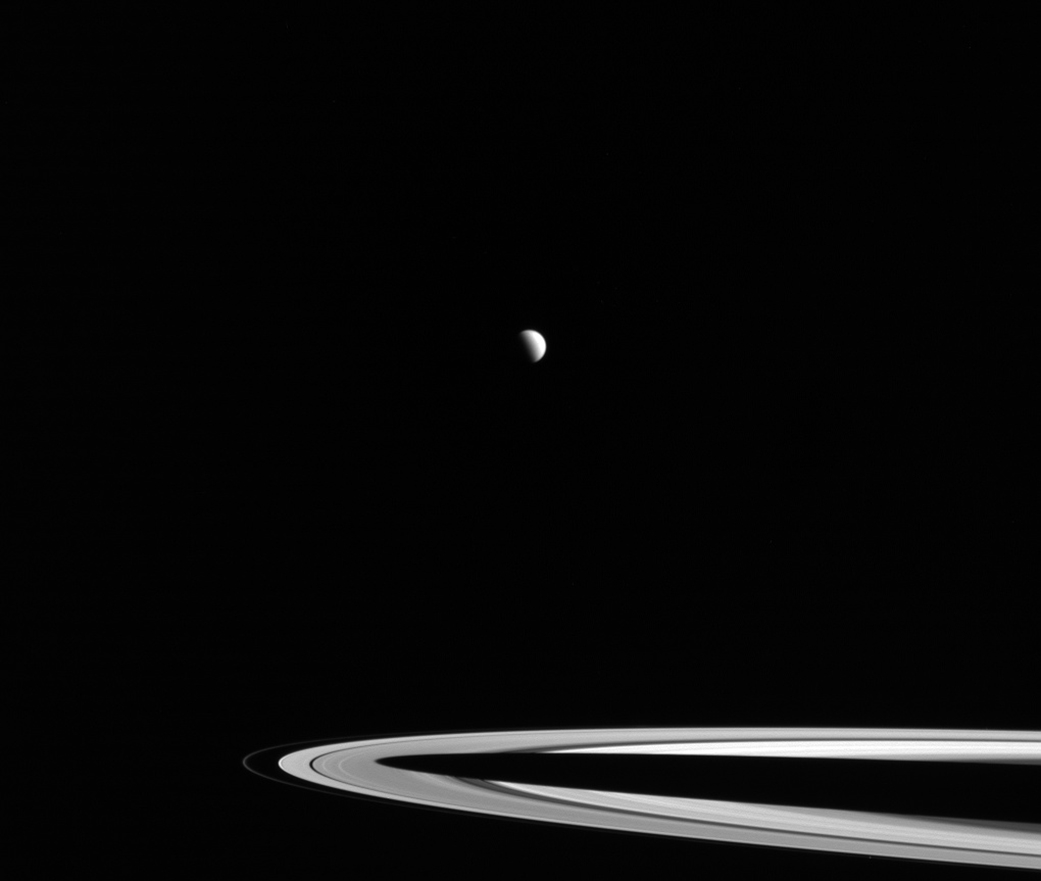
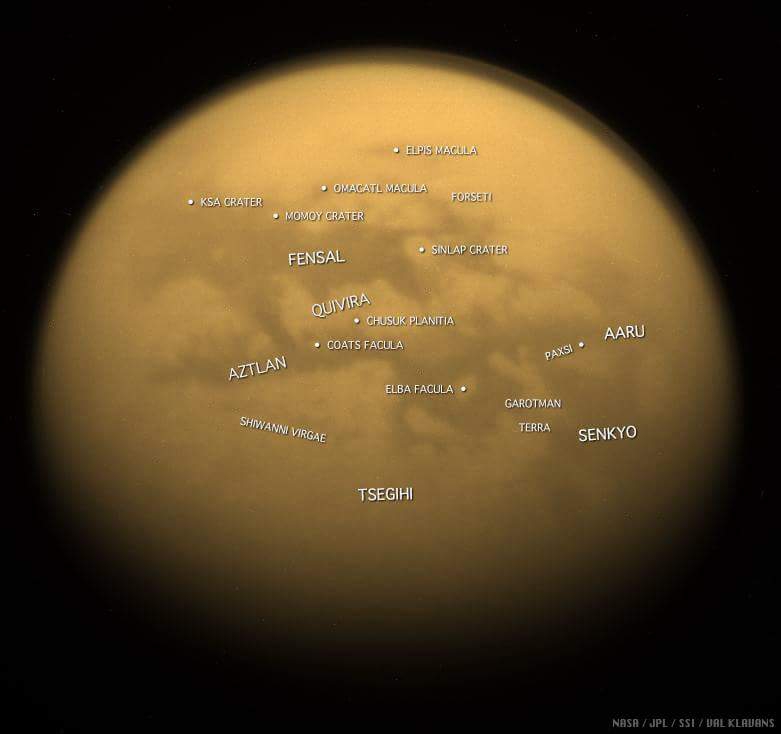
No i #tytan na pożegnanie misji.
źródło: comment_D9Wa7SQNTUrYz5Ly3EOZgBx159Ccp4L1.jpg
PobierzNo i na koniec ma walnąć o skałę, bo może to dostarczyć interesujących danych: http://www.nature.com/news/historic-rosetta-mission-to-end-with-crash-into-comet-1.18713