@ssailorr:
1) Ceres jest bliżej Ziemi niż Pluton
2) Nie ma znaczenia co jest bliżej Ziemi, bo zdjęcia są robione ze statków komicznych (sond)
3) W opisie jest, że sonda nazywa się Dawn
4) Sonda fotografująca Plutona nazywa się New Horizons i nie doleciała tak blisko Plutona jak Dawn do Ceres
  • Odpowiedz
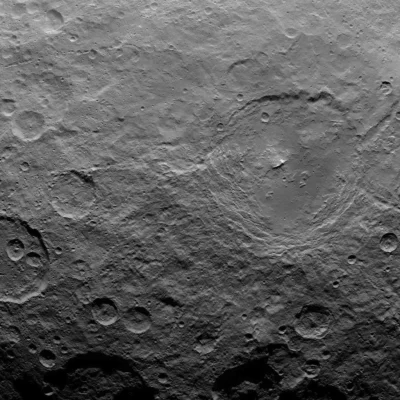
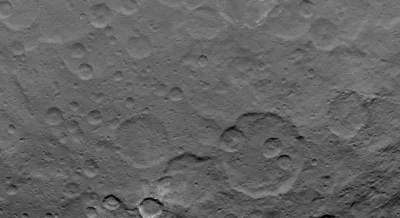
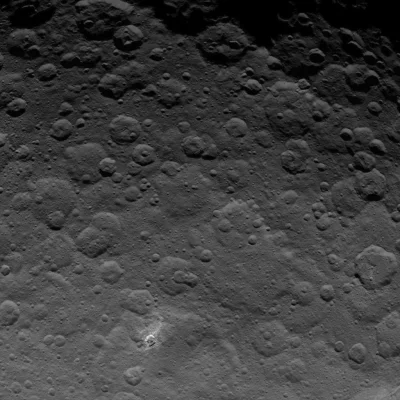
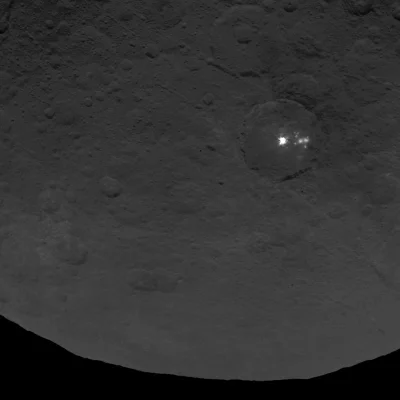
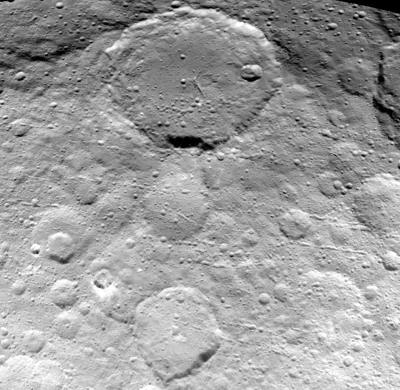
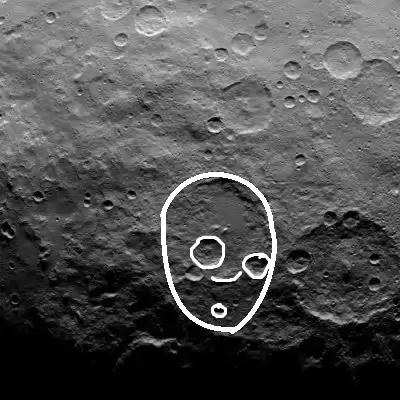
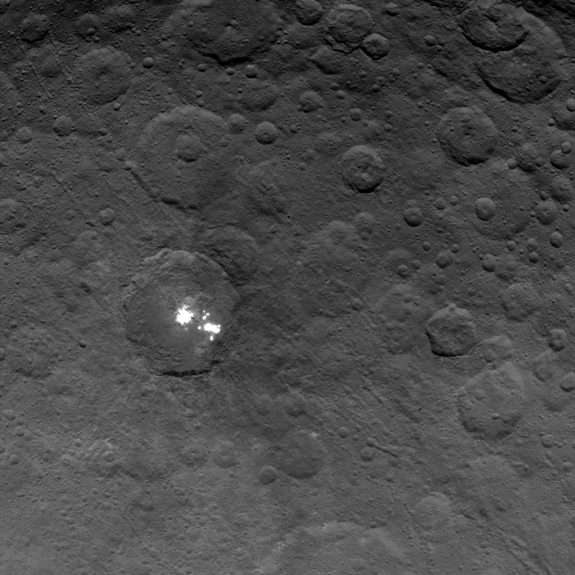
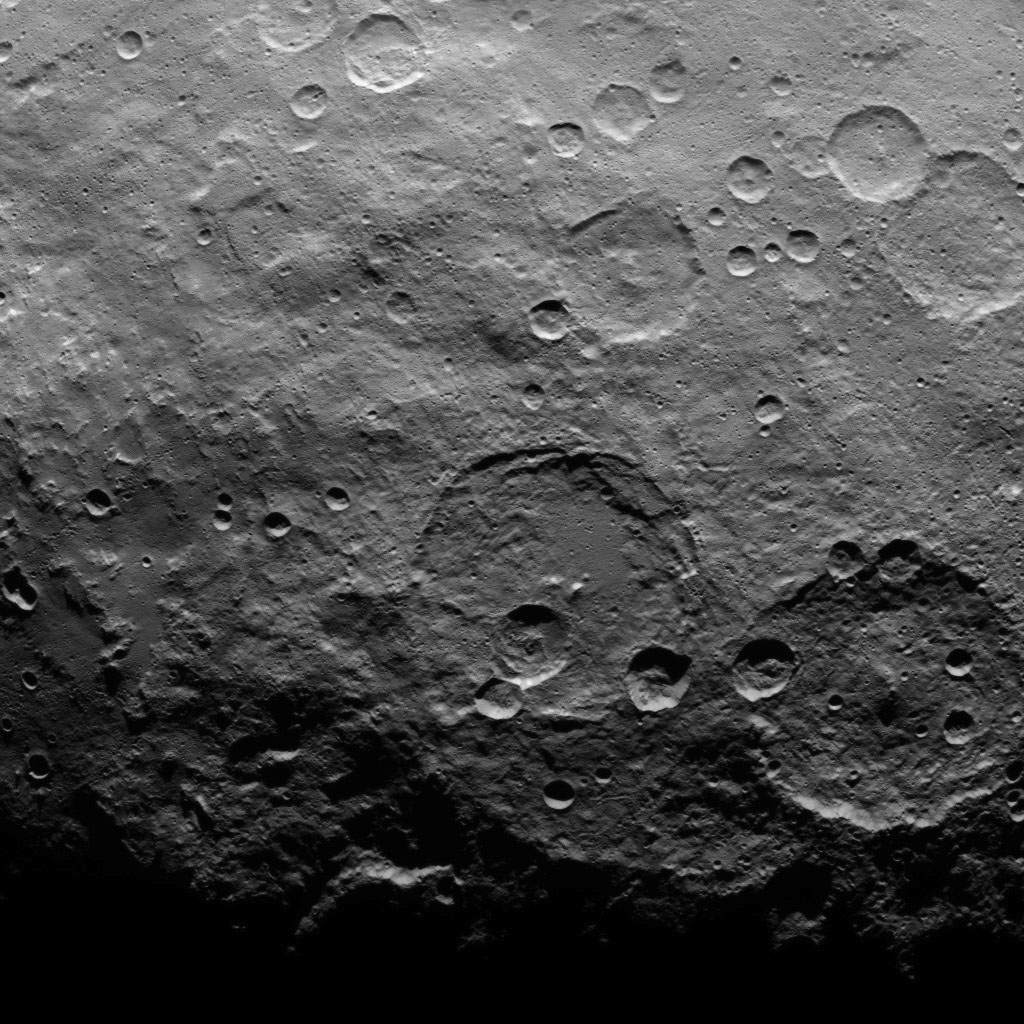
This image, taken by NASA's Dawn spacecraft, shows a portion of the southern hemisphere of dwarf planet Ceres from an altitude of 2,700 miles (4,400 kilometers). The image, with a resolution of 1,400 feet (410 meters) per pixel, was taken on June 22, 2015.
http://dawn.jpl.nasa.gov/multimedia/images/image-detail.html?id=PIA19588
#ceres #kosmos
d.....f - This image, taken by NASA's Dawn spacecraft, shows a portion of the souther...

źródło: comment_xzk0Ov87Dj7ygDRGQ6hMNqXbSowIrZ85.jpg

Pobierz
  • Odpowiedz
  • Otrzymuj powiadomienia
    o nowych komentarzach

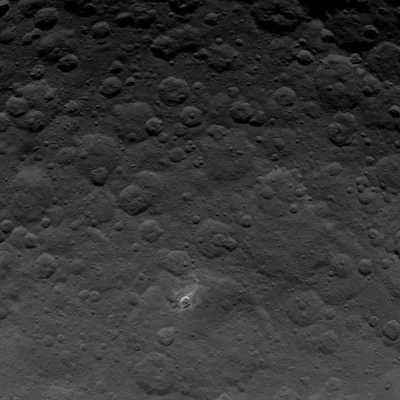
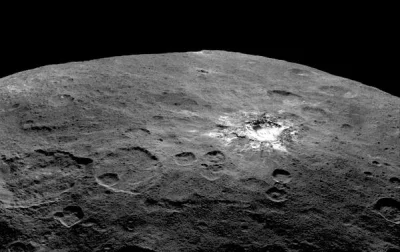
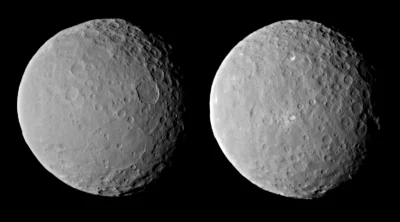
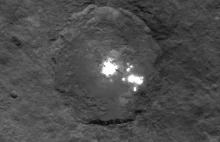
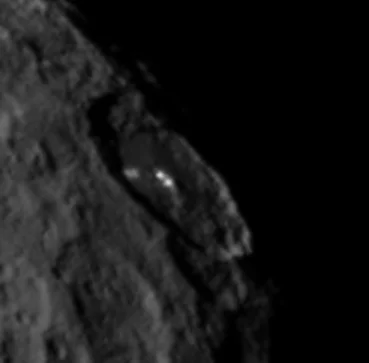
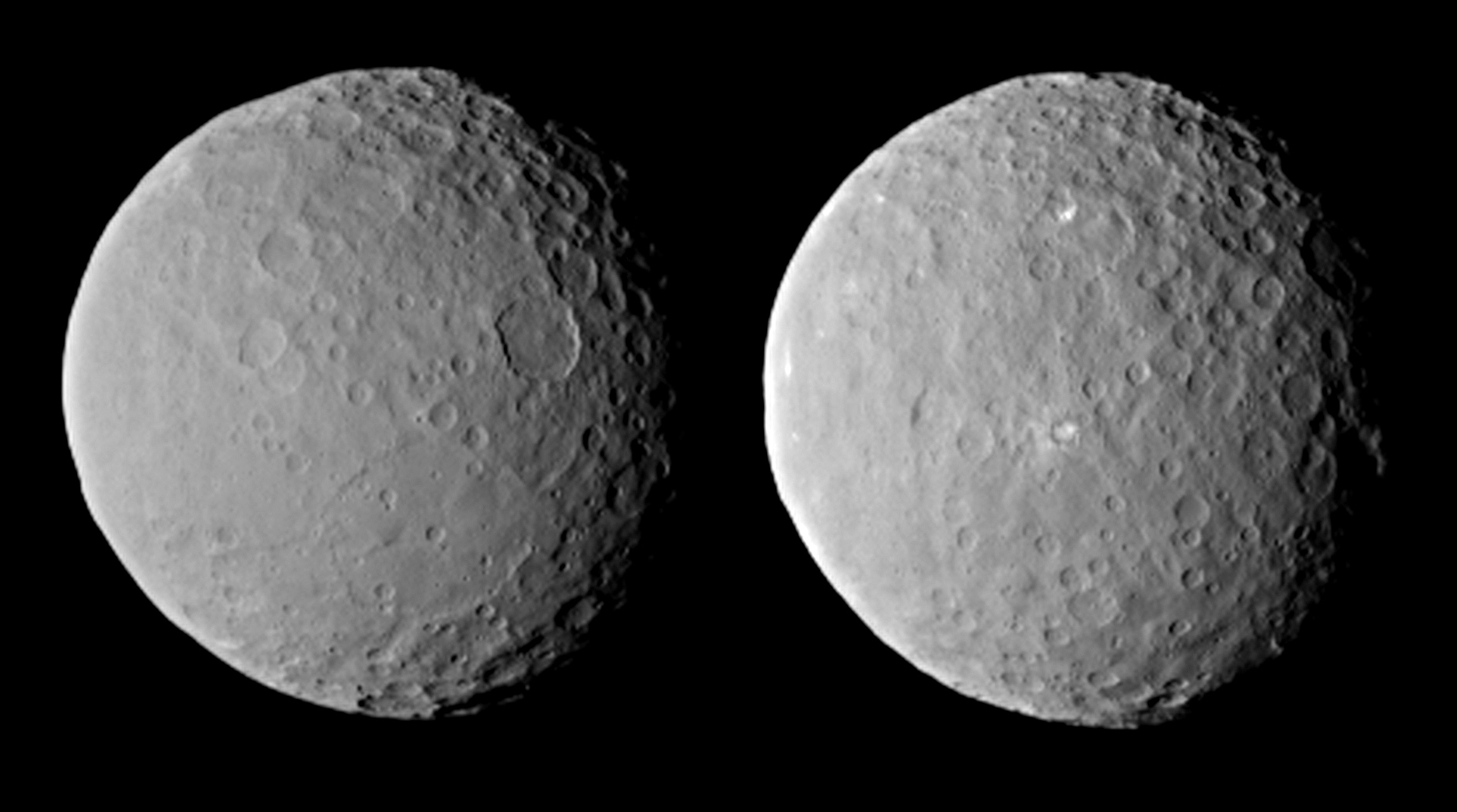
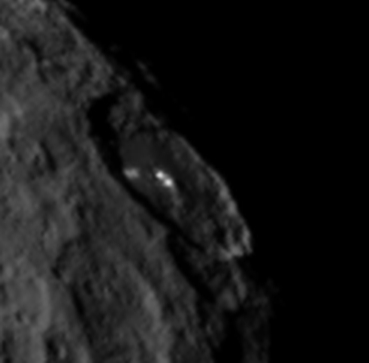
This image, taken by NASA's Dawn spacecraft, shows dwarf planet Ceres from an altitude of 2,700 miles (4,400 kilometers). The image, with a resolution of 1,400 feet (410 meters) per pixel, was taken on June 17, 2015. A bright area called "Spot 1" can be seen in this image.
http://dawn.jpl.nasa.gov/multimedia/images/image-detail.html?id=PIA19589
#ceres #kosmos
d.....f - This image, taken by NASA's Dawn spacecraft, shows dwarf planet Ceres from ...

źródło: comment_REUPWM7Y5QVUEjBYrAkxr8J1rdM4jh1N.jpg

Pobierz
  • Odpowiedz
  • Otrzymuj powiadomienia
    o nowych komentarzach

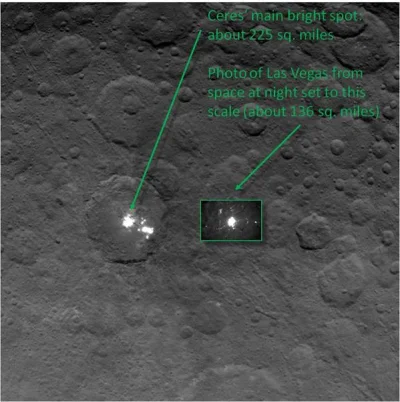
Różnica między teleskopem #hubble, który lata sobie blisko ziemi a jakimkolwiek aparatem, który jest blisko ciała niebieskiego polega na tym, że Hubble mimo swoich rozmiarów jest nadal ograniczony prawami fizyki - i zwyczajnie nie może się równać z czymś, co jest bliżej. Popularne w Internecie i zamieszczane na tapetach zdjęcia z Hubble to sztucznie pokolorowane odległe galaktyki, które są bardzo duże, natomiast aby fotografować np. #ceres
d.....f - Różnica między teleskopem #hubble, który lata sobie blisko ziemi a jakimkol...

źródło: comment_j5C3lSnLPhThjafxUbRuve87VY7Od9De.jpg

Pobierz
  • 9
  • Odpowiedz
  • Otrzymuj powiadomienia
    o nowych komentarzach

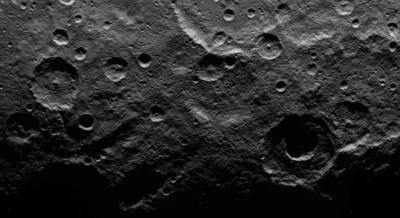
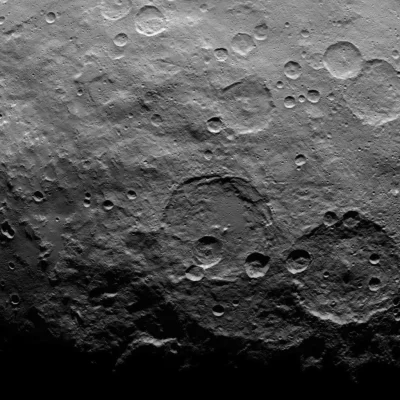
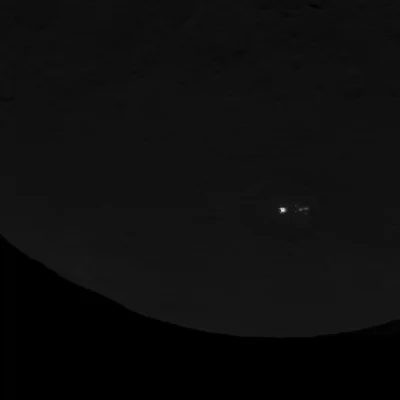
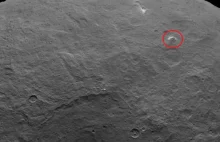
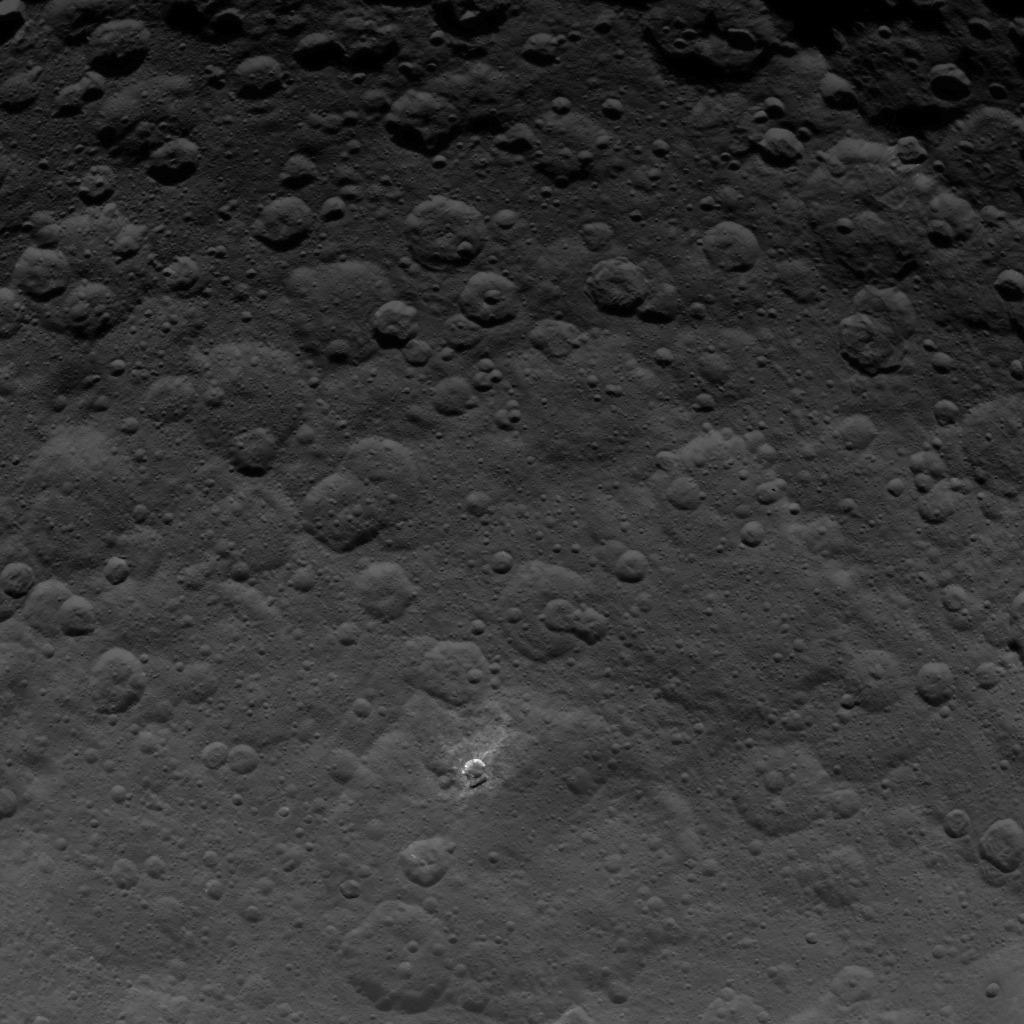
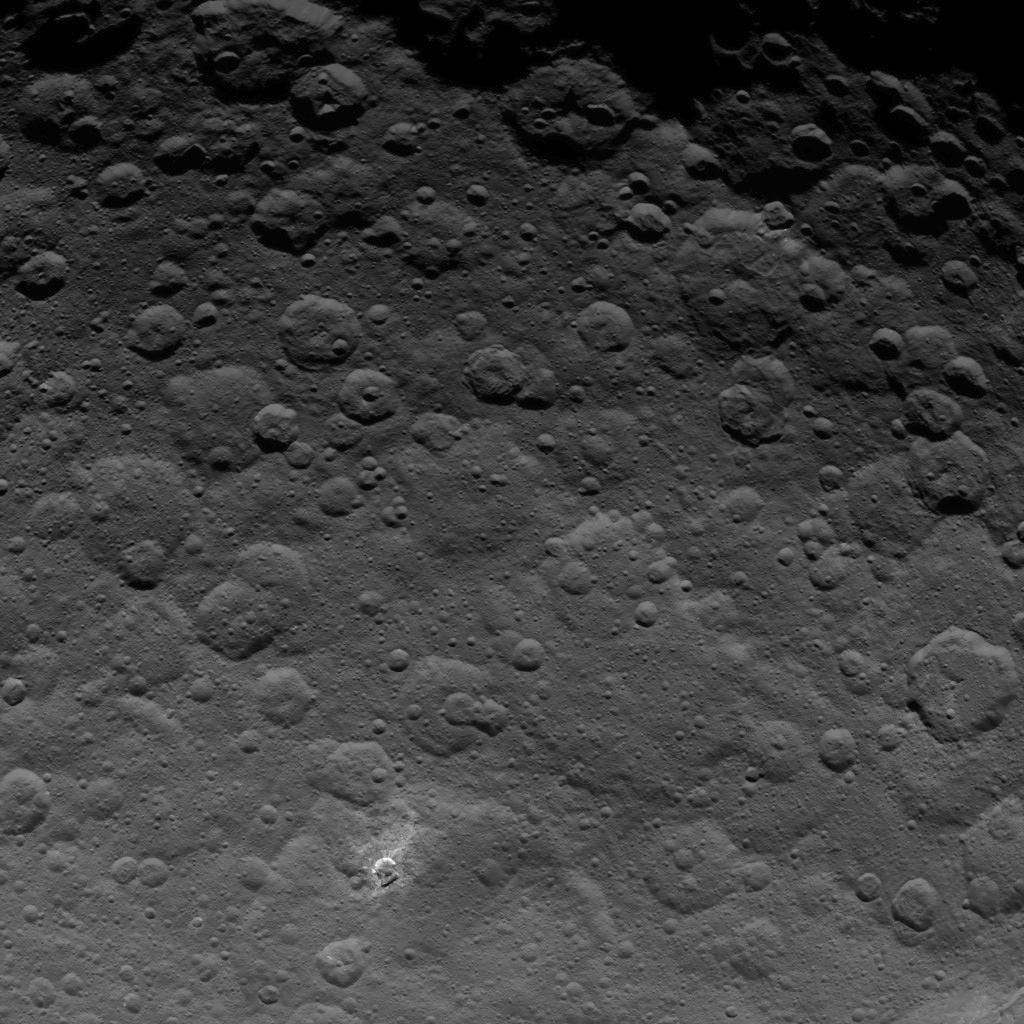
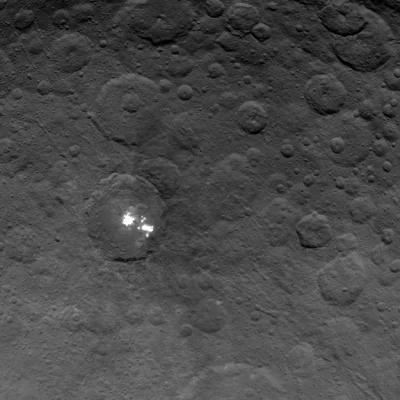
The north pole of Ceres can be seen in this image, taken by NASA's Dawn spacecraft, showing dwarf planet Ceres from an altitude of 2,700 miles (4,400 kilometers). The image, with a resolution of 1,400 feet (410 meters) per pixel, was taken on June 9, 2015.
http://photojournal.jpl.nasa.gov/catalog/PIA19581
#ceres #kosmos
d.....f - The north pole of Ceres can be seen in this image, taken by NASA's Dawn spa...

źródło: comment_fSgn8qmntiWtdqKpalBEcToYnh1dSsm7.jpg

Pobierz
  • Odpowiedz
  • Otrzymuj powiadomienia
    o nowych komentarzach

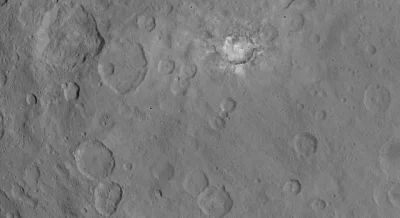
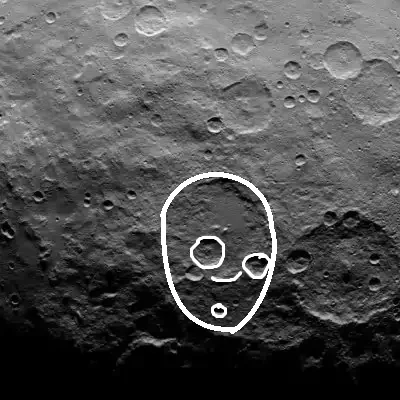
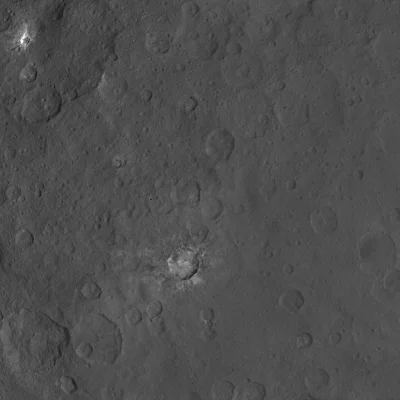
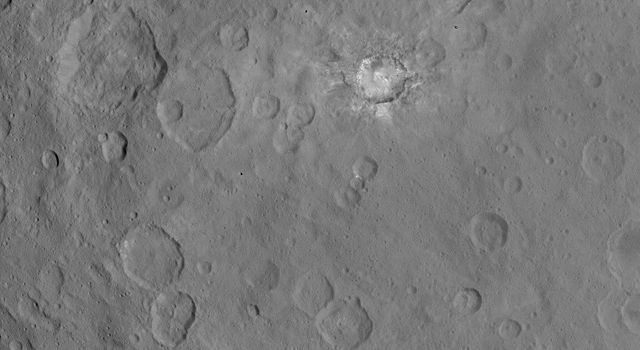
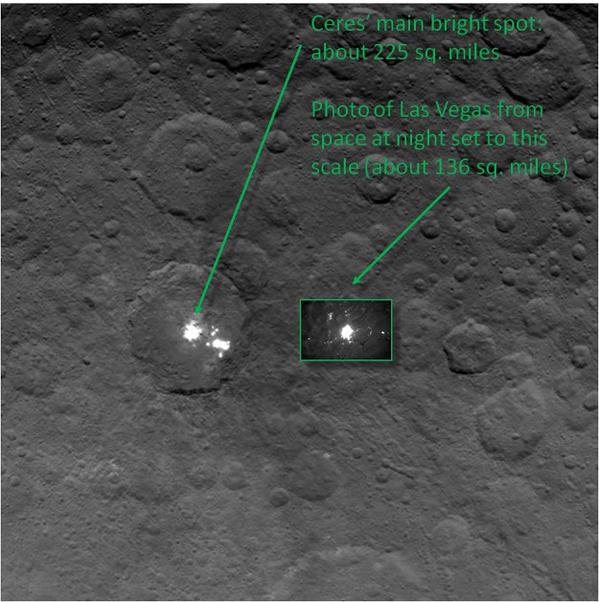
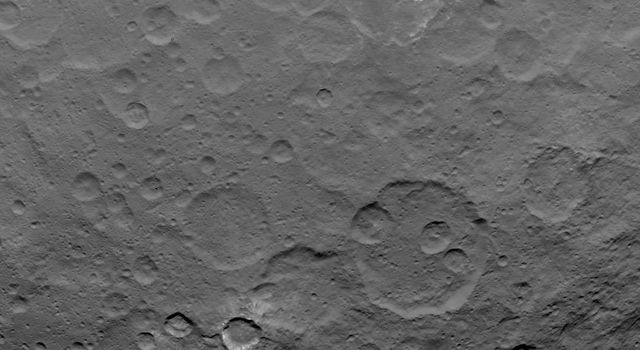
This image, taken by NASA's Dawn spacecraft, shows dwarf planet Ceres from an altitude of 2,700 miles (4,400 kilometers). The image, with a resolution of 1,400 feet (410 meters) per pixel, was taken on June 9, 2015.

The bright feature in the upper-right is also seen in: http://www.wykop.pl/wpis/13274553/the-north-pole-of-ceres-can-be-seen-in-this-image-/

http://photojournal.jpl.nasa.gov/catalog/PIA19582
#ceres #kosmos
d.....f - This image, taken by NASA's Dawn spacecraft, shows dwarf planet Ceres from ...

źródło: comment_eB02JpuFEdDI4pEGlEm38N6vug4mFdcc.jpg

Pobierz
  • Odpowiedz
  • Otrzymuj powiadomienia
    o nowych komentarzach

@mulen: tak w skrócie: sonda Dawn dostarczyła NASA lepsze zdjęcia, ale wiele rzeczy jeszcze pozostaje nieznanych.

The new photos resolve the' bright spots on Ceres into numerous points of varying sizes.

Czyli, chyba, nowe zdjęcia (art z 11 czerwca) pokazały że jasne plamy to tak naprawdę "punkty" różnej wielkości
  • Odpowiedz